Ply is the number of individual yarns twisted together to form the strand that's knitted into your sweater. A 2-ply yarn uses two strands, 4-ply uses four, 8-ply uses eight—more plies mean a thicker, warmer knit.
What Does Ply Mean in Cashmere?
Think of ply as the sweater's DNA. The more strands twisted together, the more structure, weight, and warmth the finished knit holds, and the more it costs to produce. That relationship is what separates a lightweight layering piece from a true cold weather heirloom.
- 2-Ply: Lightweight, breathable, ideal for layering and year-round wear.
- 4-Ply: Medium weight, cozy yet versatile, perfect for autumn and winter staples.
- 8-Ply: Heavyweight, luxurious, made for true cold weather or as an heirloom piece.
And What About Gauge?
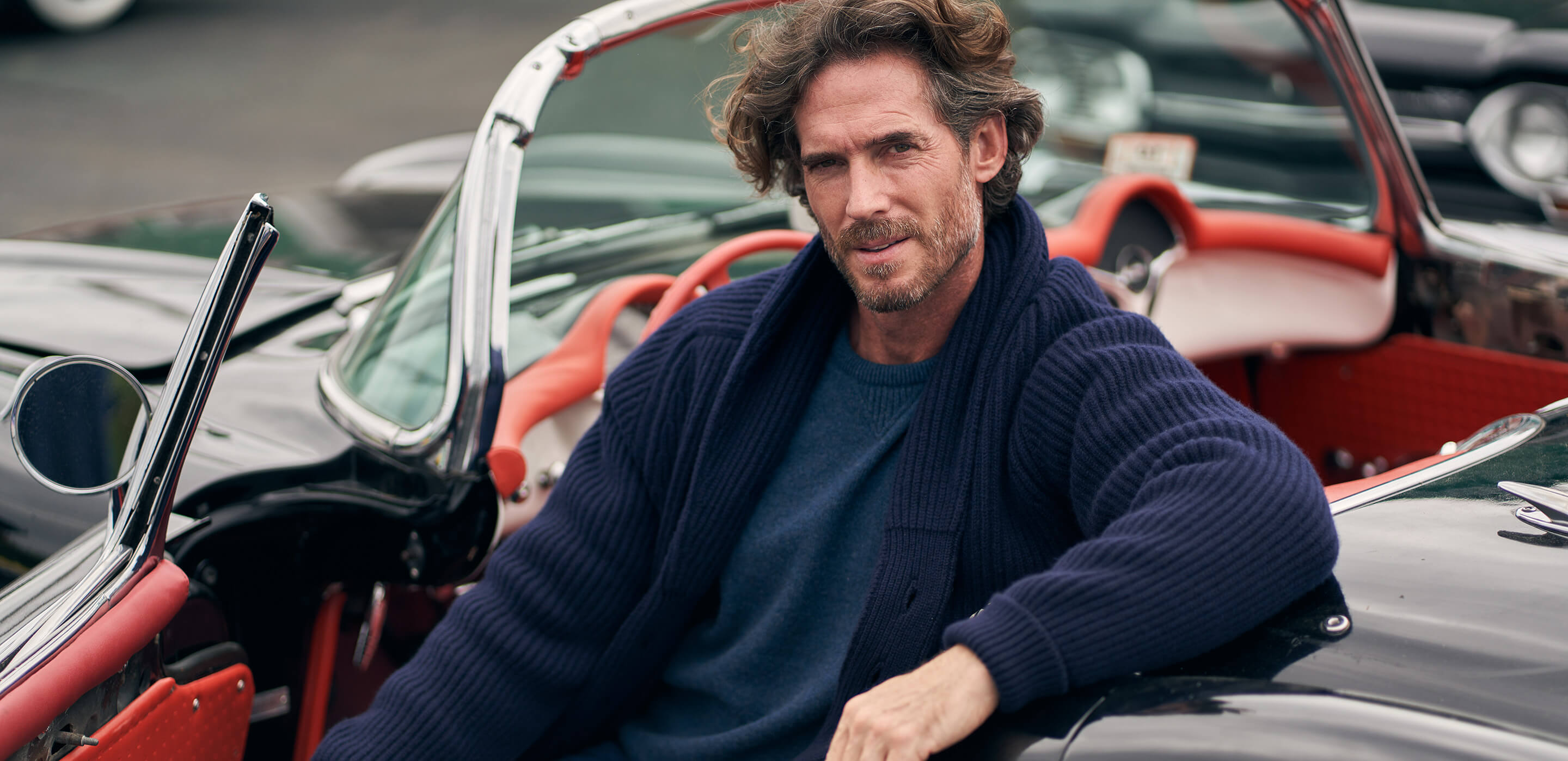
Gauge measures the number of stitches per inch. A higher gauge means a finer, lighter knit; a lower gauge means a denser, chunkier fabric. Ply and gauge work together—an 8-ply knit at a low gauge creates a chunky, substantial cardigan like our Bruce Shawl, while a 2-ply high-gauge crewneck feels featherlight yet warm.
Ply & Gauge Comparison
| Ply | Gauge | Warmth | Best For |
|---|---|---|---|
| 2-Ply | High (12–14) | Light | Layering, spring/fall, office wear |
| 4-Ply | Medium (7–10) | Medium | Everyday winter sweater, versatile staple |
| 8-Ply | Low (5–7) | Heavy | Cold climates, heritage pieces, statement knits |
Which Ply Should You Choose?
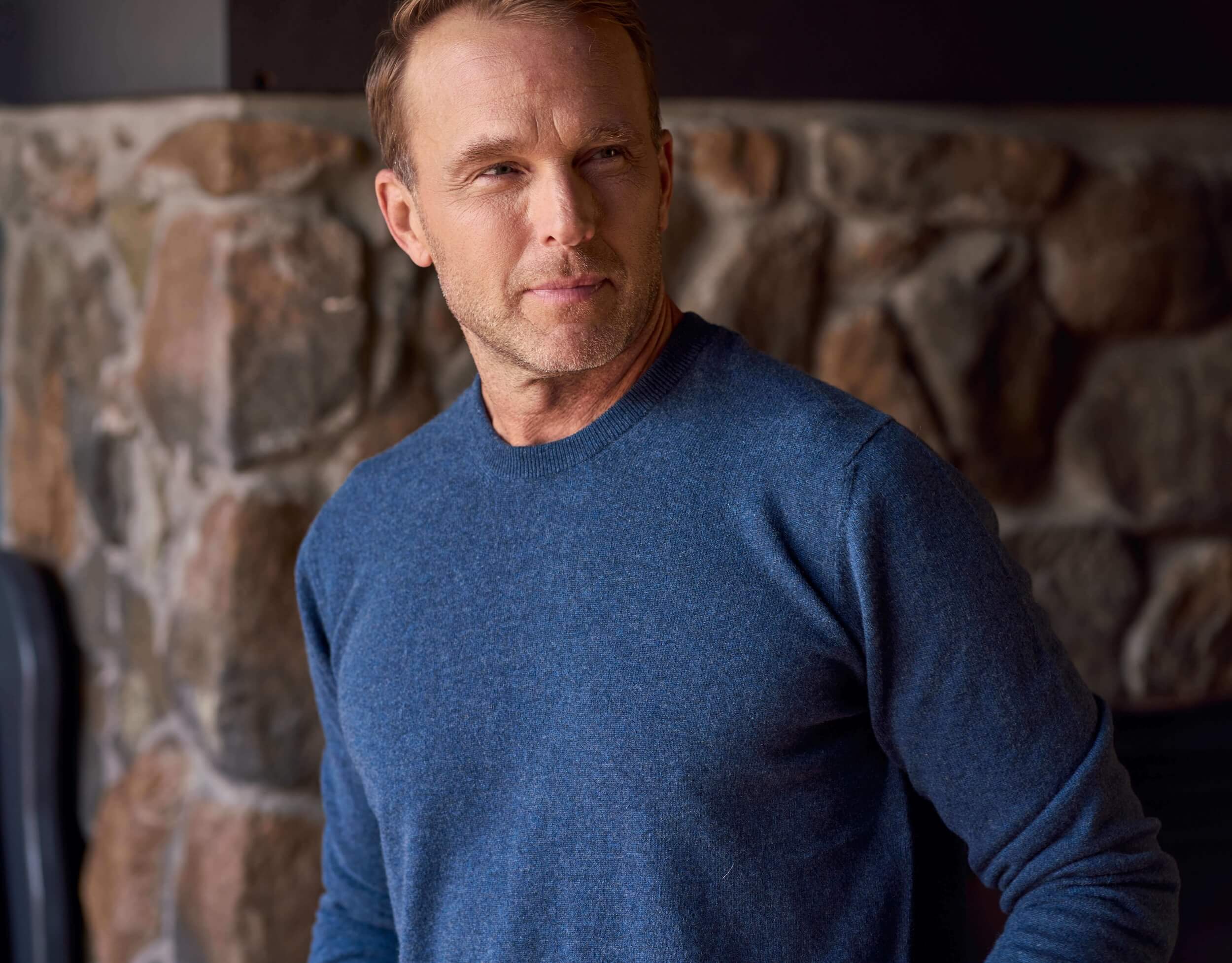
If you want a year-round layer, choose a 2-ply knit like our Classic Crew. For a do-it-all winter sweater, 4-ply pieces such as our Sport Crew strike the balance. And when you're ready for a statement heirloom, the 8-ply Bruce Shawl is the ultimate in Scottish cashmere craftsmanship.
Is higher ply always better?
Not necessarily. Higher ply means thicker and warmer, but not “better.” It depends on the climate, season, and how you like to layer.
Final Word
Whether you’re investing in a lightweight crew or a heavyweight shawl cardigan, knowing your ply and gauge ensures you’ll choose the right piece for your lifestyle. At Billie Todd, all of our sweaters are knit in Scotland with Todd & Duncan yarn and finished to last.