
A great cashmere sweater is more than clothing: it's an investment that, with proper care, will last decades. If you're reading this, you've likely already decided that cheap cashmere isn't worth your money. The question is: what separates genuinely great cashmere from everything else sold under that name?
This guide answers that question honestly. It covers where Scottish cashmere comes from, how to tell real quality from marketing, and how it compares to Italian cashmere, the other tradition you'll encounter when researching a serious investment. By the end, you'll know exactly what to look for and why it matters.
Why Scotland Is Synonymous With Fine Knitwear
For over two centuries, Scotland has been home to the world's most respected knitwear. In towns like Hawick in the Scottish Borders, knitting has been part of the area for generations, creating a culture of skill and pride that fast fashion, built for speed and volume, was never set up to match. When you buy Scottish cashmere, you're buying into this heritage: not as a marketing story, but as a verifiable fact of production.
Scotland's advantage isn't simply historical. Geography matters too. Scotland's climate, its exceptionally soft water, and two centuries of refinement didn't happen by accident: they're why the country built its reputation on cashmere in the first place. Specialist spinning, skilled knitwear production, and a manufacturing tradition this old aren't things a competitor can stand up overnight, wherever they're located.
Hawick, in particular, has been the beating heart of Scottish knitwear since 1820. The town sits at the confluence of two rivers, the Teviot and the Slitrig, and its soft water became central to the textile trade. At its peak, Hawick was home to dozens of mills producing cashmere and wool for the finest houses in Britain and Europe. Today, fewer mills remain, but those that do, including the knitters who produce for Billie Todd, hold to the same exacting standards that built the town's reputation in the first place.
What Is Grade A Cashmere? Understanding Cashmere Grades
The difference between average and exceptional cashmere begins at the fiber level, long before a single stitch is knitted. Cashmere comes from the soft undercoat of Hircus goats, typically raised on the high plateaus of Mongolia, China, and Afghanistan. What separates grades isn't geography, but the fineness and length of individual fibers.
- Grade A cashmere, the finest quality, measures just 14–16 microns in diameter, with long fibers (35mm or more) that create unmatched softness, strength, and resilience.
- Grade B cashmere is slightly coarser, with a fiber diameter of 18–19 microns. It feels soft at first, but the shorter, coarser fiber tends to pill faster and lose its shape sooner. How much depends on the spinning, knitting, and finishing, not just the grade stamped on the label.
- Grade C cashmere can be 30 microns wide, often used in cheap blends that feel coarse, break down quickly, and lose their appeal after a handful of wears.
Fiber length matters as much as fineness. Longer fibers create smoother yarns that resist pilling and retain their form. Shorter fibers work loose from the yarn more easily, which is usually what's behind a sweater looking worn after just a few washes, and it's why so much affordable cashmere gives out fast, even when the label claims 100% cashmere.
At Billie Todd, we use only Grade A cashmere sourced and spun by Todd & Duncan, Scotland's legendary yarn producer. Each batch of fiber is tested multiple times to ensure consistency: it's why you can expect the same exceptional feel and longevity, batch after batch.
How Scottish Cashmere Yarn Is Spun: Todd & Duncan and Loch Leven

Todd & Duncan's mill sits on the banks of Loch Leven in Kinross, where naturally soft Scottish water plays a vital role in the production process. This water gently opens the fibers during washing, enhancing softness and helping dyes produce remarkable color depth. After use, the water is carefully cleaned and returned to the loch, a commitment to sustainability that has been central to the mill's operation for over 150 years.
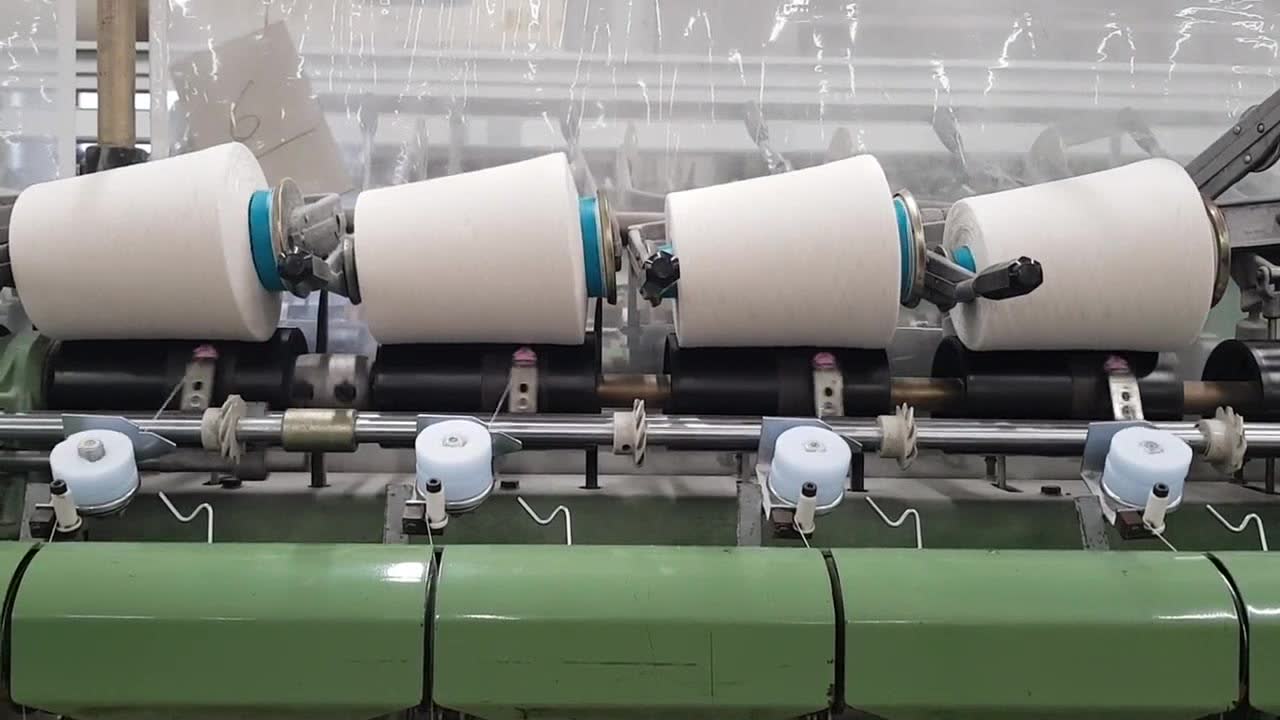
Spinning is as much art as science. Unlike mass producers who use high-speed machinery that cuts fibers short for efficiency, Todd & Duncan preserve fiber length through slower, more deliberate methods. The result is yarn that knits tightly, holds its shape, and is spun to be worn for years, not just a season.
Color is another area where Scottish production stands apart. The combination of heritage dyeing methods and pure Scottish water produces hues with unusual richness and depth. A Scottish cashmere sweater doesn't just feel different: it looks different, holding its color and vibrancy season after season, in a way cheaper dyeing and finishing simply can't match.
For more on why water chemistry matters, see Why Water Matters in Cashmere: Loch Leven and the River Teviot in Scotland.
What Does 2-Ply, 4-Ply, and 8-Ply Cashmere Mean?
Ply is one of the most misunderstood terms in cashmere, and one of the most important. It refers to the number of individual yarns twisted together to create the final thread. More ply does not always mean better; it means different. Understanding ply helps you choose the right weight for how you actually dress. For a closer look at how each is made, see our breakdown of cashmere ply and gauge.
2-Ply Cashmere
Two yarns twisted together create a lightweight, fluid fabric. 2-ply cashmere drapes beautifully, breathes well, and is ideal for layering or wearing in transitional seasons. It's the most versatile weight: refined enough for a work setting, light enough to wear comfortably from September through May. Billie Todd's Earnest crewneck, Stewart v-neck, and Leo quarter-zip are all 2-ply.
4-Ply Cashmere
Four yarns twisted together produce a mid-weight fabric with noticeable substance and structure. 4-ply holds its shape more assertively than 2-ply and provides significantly more warmth. It's the choice for someone who wants their cashmere to read as a considered investment piece. The Douglas v-neck and Loden crewneck are both 4-ply.
8-Ply Cashmere
Eight yarns create a heavyweight fabric that's genuinely substantial, warm enough for cold weather, with a density that feels nothing like conventional knitwear. 8-ply cashmere is a category of its own: it has the visual weight of a serious garment alongside the tactile softness that only cashmere can provide. The Bruce shawl cardigan is Billie Todd's 8-ply piece, deliberately built to be the last cardigan you'll ever need to buy. Read more about its construction in our profile of the Bruce, and see it styled three ways in What to Wear Under a Shawl Collar Cardigan.
An important note: ply only tells part of the story. Gauge, the tightness of the knit, also affects weight, drape, and durability. A tighter gauge produces a denser, more structured fabric. Scottish knitwear traditionally uses a tighter gauge than most mass-produced cashmere, which contributes to the garments' distinctive longevity.
Scottish Cashmere vs. Italian Cashmere: An Honest Comparison
If you've spent time researching premium cashmere, you've encountered two dominant traditions: Scottish and Italian. Brands like Loro Piana and Brunello Cucinelli represent Italian cashmere at its finest. Johnstons of Elgin, Pringle of Scotland, and Billie Todd represent the Scottish tradition. Both produce genuinely excellent cashmere. The differences between them are real and worth understanding.
For a focused side-by-side breakdown, see our companion piece: Scottish Cashmere vs Italian Cashmere: Which Is Better?
The Fiber
Both traditions source raw cashmere fiber from the same regions, primarily Inner Mongolia and the high plateaus of Central Asia. The fiber itself is the same raw material. The difference lies entirely in what happens after it arrives at the mill.
Italian mills, particularly in the Biella region, are distinguished for their ability to process cashmere to extreme fineness. Scottish mills, meanwhile, have traditionally prioritized fiber length and the structural integrity of the finished yarn, producing garments that wear exceptionally well over time.
The Knitting
This is where the traditions diverge most significantly. Scotland's distinction lies in its heritage of spinning and full-fashioned knitwear, while Italy is particularly renowned for finishing, dyeing and fashion-led design. Scottish cashmere is predominantly knitted, a construction method that creates inherent stretch, structure, and resilience in the fabric. Italian luxury cashmere is often knitted with a looser tension, producing a different hand: fluid, drapey, and extremely soft at the point of purchase.
Scottish knitting at its best uses full-fashioned construction, hand-linking, and traditional gauge. This approach builds the structure into the garment itself, which is why it holds its shape year after year. Italian cashmere at the luxury end gets a lot of its extraordinary first-touch softness from more aggressive finishing washes: a real trade-off between how a sweater feels on day one and how much structure it has left five years in.

The Price
Loro Piana crewnecks easily start at $1,500 and up, and Brunello Cucinelli sweaters sit in the same range. These prices reflect genuine craft, extraordinary fiber sourcing, and significant brand equity. They are not fraudulent.
Billie Todd sweaters start at $385. The cashmere is Grade A Todd & Duncan, the construction is full-fashioned, and the garment is traditionally finished in Hawick, Scotland: built to be worn for years, not just bought for a season. The price difference reflects one thing above all: Billie Todd sells directly to you, without department-store markups, wholesale margins, or the cost of maintaining flagship stores in London, Milan, and New York. The product is not compromised. The supply chain is.
Neither tradition is objectively superior. Scottish cashmere excels in structural longevity, classic construction, and value at equivalent levels of quality. Italian cashmere at the luxury end excels in extreme fiber fineness and a certain fluid drape. The right choice depends on what you value and what you intend to wear.
The Craft of Scottish Knitting: Full-Fashioned Construction Explained
The artistry of Scottish knitters is what transforms yarn into heirloom-quality knitwear. Techniques honed over generations make the difference between a garment that ages well and one that simply ages.
- Full-fashioned construction: each panel of the garment is individually shaped on the knitting machine, rather than cut from a larger piece of fabric. This produces cleaner lines, less waste, and a fit that retains its structure.
- Dense knitting gives structure, helping sweaters resist sagging and pilling over time.
- Hand-linking joins panels stitch by stitch, creating smooth, durable seams that remain flat against the body.
- Restrained finishing washes preserve the fiber's integrity, so sweaters soften naturally with wear rather than being artificially over-processed at the point of manufacture.
By the time a single sweater leaves the workshop, it has passed through the hands of more than twenty skilled artisans. Each step, from knitting to linking to finishing, is performed with meticulous care. This slow, deliberate process takes longer, but it's how you get knitwear that stays beautiful year after year. For a closer look at what actually separates genuine Scottish knitwear, yarn included, from garments only assembled there, see What Is Scottish Knitwear?
How to Identify Quality Cashmere: A Buyer's Checklist
Not everything labeled cashmere is equal. Here is what to look for, and what to be wary of.
- Grade A fibers (14–16 microns, long staple length) for unequaled softness and durability.
- Ply and weight appropriate to use: 2-ply for layering and transitional wear, 4-ply for structure and warmth, 8-ply for serious cold-weather wear.
- Traditional craftsmanship: full-fashioned construction, hand-linking, and heritage finishing are markers of longevity.
- The stretch test: gently stretch the fabric and release it. High-quality cashmere will snap back and hold its shape. Inferior blends will sag or distort immediately.
Be wary of cashmere that feels extraordinarily soft in the shop. Aggressively processed cashmere is washed to create instant softness, which is deceptive: it disguises shorter fibers that will pill heavily within months. True quality softens over time with wear. A Billie Todd sweater feels excellent on day one; it feels even better after three years.
Also note that "100% cashmere" on a label means only that no other fiber is present; it says nothing about grade, fiber length, construction method, or country of manufacture. A $50 sweater and a $500 sweater can both truthfully say 100% cashmere. The difference is in everything the label doesn't tell you.
Why Scottish Cashmere Is Worth the Investment
Unlike disposable fashion, Scottish cashmere is built to endure. With care, it becomes softer with age, molding uniquely to you over time. A Billie Todd sweater is not a seasonal purchase. It's a piece you can wear for decades, and one that may outlast most things in your wardrobe.
It is also, correctly understood, a sustainable choice. Because it lasts longer, fewer resources are consumed over time. When its life eventually ends, it biodegrades naturally. True luxury is not only about how something feels, but about how responsibly it is made and how long it endures. Fast-fashion cashmere creates waste at scale: inferior fibers lead to garments discarded within a year or two, contributing to the very environmental harm the fashion industry is trying to address.
Choosing Scottish cashmere means choosing timeless design, responsible production, and a sweater that doesn't ask you to trade quality for a lighter footprint.
Frequently Asked Questions About Scottish Cashmere
What is Grade A cashmere?
Grade A cashmere is the highest grade of cashmere fiber, measuring 14–16 microns in diameter with a staple length of 35mm or more. The fineness produces softness; the length produces durability and resistance to pilling. Billie Todd uses 15.5-micron Grade A cashmere from Todd & Duncan.
What does ply mean in cashmere?
Ply refers to the number of individual yarns twisted together to form the final thread. 2-ply is lightweight and ideal for layering, 4-ply is mid-weight with more structure and warmth, and 8-ply is a heavyweight construction designed for cold weather and decades of wear. Higher ply isn't necessarily better; it's a question of the right weight for the season and use.
Is Scottish cashmere better than Italian cashmere?
Both use the same Grade A Mongolian fiber. Scottish cashmere is renowned for spinning expertise, full-fashioned knitting, and structural longevity. Italian cashmere is renowned for finishing technology and fashion design. Scottish cashmere typically offers stronger value at equivalent fiber quality; Italian cashmere often commands a premium tied to brand and retail infrastructure.
How long should a quality cashmere sweater last?
A well-made cashmere sweater, meaning Grade A fiber, full-fashioned construction, and properly cared for, can last decades. Hand washing in cool water, flat drying, and cedar storage between seasons are the keys to longevity. Full-fashioned construction holds up better over time than cut-and-sew, because there are no weak seam edges to fray.
What is full-fashioned cashmere construction?
Full-fashioned construction means each panel of the sweater is individually shaped on the knitting machine as it's knitted, rather than cut from a flat piece of fabric afterward. The result is a garment with no raw edges, better drape, and significantly longer life. It's the construction method used by Hawick's traditional knitters and is one of the clearest markers of quality in cashmere knitwear.
Why does "100% cashmere" not guarantee quality?
The "100% cashmere" label only certifies that no other fiber is present. It says nothing about fiber grade, fiber length, construction method, or country of manufacture. A $50 sweater can technically be 100% cashmere, but made from short, coarse Grade C fibers that will pill and lose shape within months. Always look beyond the fiber percentage to the specifics: micron count, staple length, ply, and construction.
Where is Billie Todd cashmere made?
Billie Todd cashmere is designed in New England and produced in Hawick, Scotland, the historic capital of the world's finest knitwear. Every garment uses Grade A 15.5-micron yarn spun by Todd & Duncan in Kinross, with full-fashioned construction by Hawick's specialist knitters.
The Billie Todd Promise
At Billie Todd, we design in New England and produce in Scotland, using only Todd & Duncan yarns and the expertise of artisans whose families have perfected this craft for generations. Each sweater is made to feel extraordinary from the very first wear and to grow better over time.
Our mission is simple: modern knitwear that reflects timeless tradition. By combining American design sensibility with Scottish craftsmanship, we offer cashmere that feels both contemporary and enduring: stylish without being trendy, substantive without being stuffy.
We sell directly to you, which means the sweater you receive reflects the full investment in quality, not the full investment in retail infrastructure. That is the Billie Todd proposition: Scottish cashmere at its finest.