There's no universally regulated or legally standardized "Grade A" cashmere grading system. Within the cashmere trade, though, the term is used consistently: Grade A refers to fiber measuring roughly 14 to 16 microns in diameter, with premium long-staple cashmere running 35mm or more. Those two specifications, fineness and staple length, are the foundation of cashmere softness, durability, and resistance to pilling. Everything else in a cashmere sweater, the ply, the gauge, the finishing, is built on top of that starting material.
No regulator polices cashmere grading. No certification body stamps garments before they reach a store. The Cashmere and Camel Hair Manufacturers Institute sets a technical floor for what can be called cashmere at all, an average fiber diameter under 19 microns, but nothing beyond that distinguishes Grade A from Grade B or C. So "Grade A" on a label is only as reliable as the mill and the brand behind it. Here's what the term actually means, how it's measured, and how to tell whether a garment claiming it is telling the truth.

(Raw cashmere after washing and degreasing)
The Three Grades, Explained
Cashmere is graded using two criteria: how fine the individual fiber is, measured in microns, and how long it is, measured in millimeters. In practice, the industry uses three tiers.
- Grade A measures 14 to 16 microns with a staple length of 35mm or more. This is the finest and longest cashmere fiber produced at any real volume. It's soft to the touch immediately, and because the fibers are long, they resist pilling and hold their shape through years of wear.
- Grade B runs 18 to 19 microns. It still feels soft on first touch, which is exactly why it's easy to be fooled by in a store. The shorter, coarser fiber tends to wear faster, so a Grade B sweater that feels close to Grade A on day one can start to show the difference with regular wear.
- Grade C is the coarsest tier, fiber that sits near or above the 19-micron average that defines cashmere, with some measured as wide as 30 microns. It comes from the same goats, but coarser, shorter fiber is generally more prone to pilling and losing shape over time.
The gap between Grade A and Grade C isn't marketing language. It's a physical difference in fiber diameter, and it tends to show up in how well a garment holds up over time.
| Grade / Specification | Fibre Diameter | Staple Length | What It Means |
|---|---|---|---|
| Grade A | ~14–16 microns | Often 35mm+ for premium long-staple fibre | Exceptionally fine, soft fibre; longer fibres can improve durability and reduce shedding |
| Grade B | ~18–19 microns | Generally shorter | Soft, but typically coarser than Grade A |
| Grade C | Near or above ~19 microns | Generally shorter | Coarser fibre and generally lower-quality cashmere |
| Billie Todd / Todd & Duncan | 15.5 microns | 35mm | Billie Todd's specific Grade A cashmere specification |

(Todd and Duncan Cashmere Going Through the Carding Process)
Why Micron Count Matters
Micron count describes the diameter of a single fiber. Finer fiber bends more easily against skin, which is what reads as softness. It also means more individual fibers pack into the same cross section of yarn, which is part of why fine cashmere feels dense rather than thin even at a light weight.
The catch is that finer isn't automatically better if it comes at the cost of length. A fiber can be extremely fine and still snap easily if it's short. That's why grading looks at both numbers together, not micron count alone.
Why Staple Length Matters More Than People Realize
Staple length is the length of a single cashmere fiber before it's spun into yarn. Longer fibers overlap more with their neighbors when they're twisted into thread, which means the finished yarn holds together under friction instead of shedding loose ends. Those loose ends are what become pills.
Short fiber cashmere can feel just as soft as Grade A in the store. Softness on first touch is almost entirely a function of micron count. Staple length plays a major role in whether a sweater still looks new after fifty wears, and that's the number most shoppers never get told. Todd & Duncan, the mill that spins Billie Todd's yarn, works to a 35mm minimum specifically because that length is where pill resistance becomes durable rather than temporary.
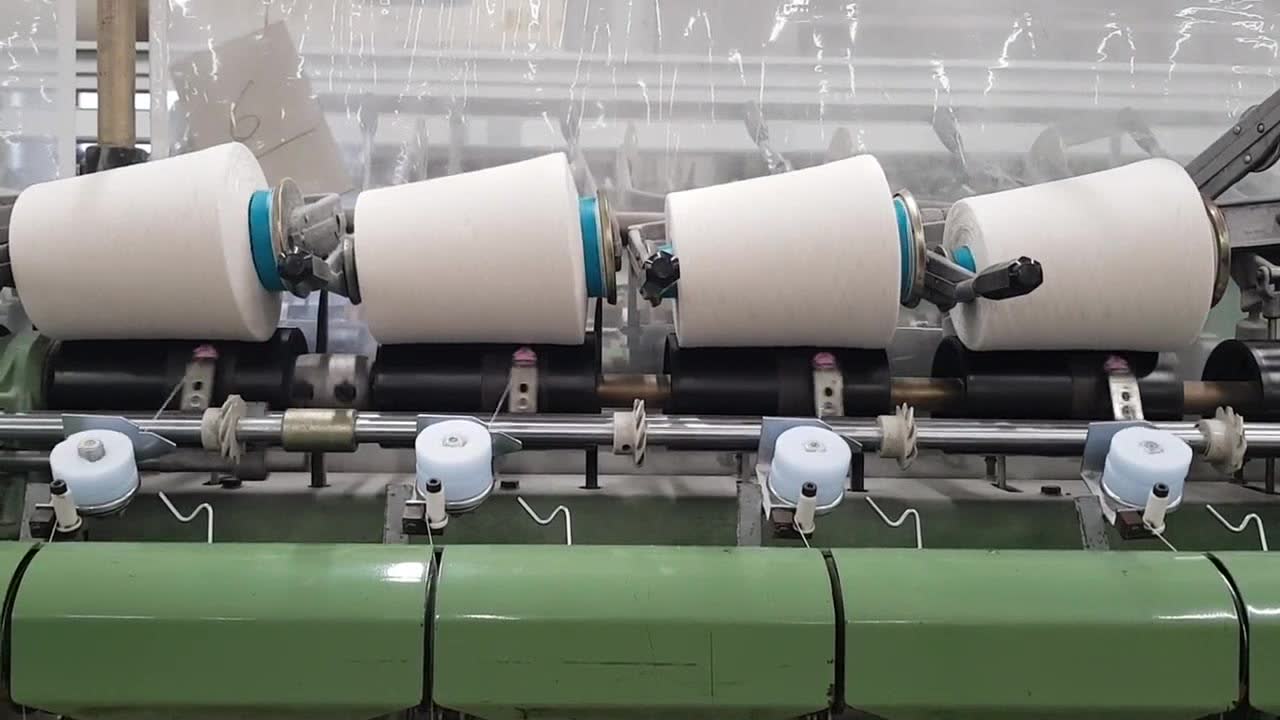
Todd & Duncan Yarn Twisting Process
How Grade A Cashmere Is Actually Verified
At the mill level, fiber is tested with an optical measuring instrument that reads micron diameter across a sample, not by feel. Todd & Duncan, the mill behind Billie Todd's yarn, is explicit about this on its own site: fiber is checked, double-checked, and triple-checked for micron, length, whiteness, and impurities before a batch is approved for spinning, and tracked again at each stage after, because fiber quality varies even within a single harvest.
This is the part a shopper can't verify from a product page. There's no visible marker that separates a genuinely tested Grade A batch from a garment that simply calls itself Grade A without the testing behind it. The most reliable signal is transparency: a brand that names its specific mill, micron count, and staple length. This is giving you something you can check, rather than a grade you have to take on faith.
Grade A Isn't One Fixed Number
Because Grade A spans a range, 14 to 16 microns, two garments can both be legitimately Grade A and still feel slightly different. A mill spinning at 14 microns is producing an even finer, softer yarn than one spinning at 15.5 or 16. Billie Todd's Todd & Duncan yarn runs at 15.5 microns with a 35mm staple, which sits toward the finer, stronger end of the Grade A range rather than the loosest end.
That distinction matters if you're comparing two sweaters that both claim Grade A cashmere and wondering why one feels different from the other. Ask for the exact micron number, not just the grade.

(Finished Cashmere Yarn Ready for Shipping to Mills)
What Grade A Cashmere Looks Like Across a Wardrobe
Grade doesn't change with ply. A 2-ply crewneck, a 4-ply sweater, and an 8-ply cardigan can all be spun from the identical Grade A yarn, just twisted into different weights for different jobs. Billie Todd's Earnest crewneck is a 2-ply piece built for light layering. The Douglas v-neck is 4-ply, with more structure and warmth from the same base fiber. The Bruce takes that fiber to 8-ply for genuine cold-weather weight. See the full range in our Scottish cashmere collection. The grade tells you about the fiber. The ply tells you about the garment. For more on how those two things interact, see our breakdown of cashmere ply and gauge. Fiber grade sets the ceiling for a sweater's quality, but where and how that fiber is spun and knitted shapes the finished garment just as much, which is why two Grade A sweaters can still turn out very differently. See our comparison of Scottish vs. Italian cashmere for how that plays out in practice.
How to Spot Grade A Cashmere When You're Buying
- Ask for the micron count, not just the grade. "Grade A" alone can mean anywhere from 14 to 16 microns. A brand that publishes the exact number has nothing to hide.
- Ask for staple length. 35mm or more is the threshold that matters for pill resistance. Fewer brands publish this number than publish micron count, which is itself worth noting.
- Do the stretch test in person. Gently stretch a section of fabric and let go. Grade A cashmere, properly constructed, snaps back close to its original shape. Shorter, coarser fiber sags or distorts.
- Be skeptical of extreme softness at first touch. Aggressive finishing washes can make lower-grade fiber feel deceptively soft in the store. That softness fades fast. Genuine Grade A cashmere softens further with wear rather than starting soft and declining.
For the full picture of how fiber grade fits into construction, gauge, and finishing, see our Guide to Scottish Cashmere.
Frequently Asked Questions
What micron count is Grade A cashmere?
Grade A cashmere measures 14 to 16 microns in diameter. Billie Todd's Todd & Duncan yarn is spun at 15.5 microns, toward the finer end of that range.
What's the difference between Grade A, B, and C cashmere?
The difference is fiber fineness and length. Grade A runs 14 to 16 microns with 35mm or longer staple length. Grade B runs 18 to 19 microns. Grade C is the coarsest, sitting near or above the 19-micron average that defines cashmere. Finer, longer fiber produces softer, more durable, more pill-resistant cashmere.
Can a sweater be 100% cashmere and still be low quality?
Yes. "100% cashmere" only certifies that no other fiber is present. It says nothing about grade. A $50 sweater and a $500 sweater can both truthfully say 100% cashmere while using fiber that differs enormously in micron count and staple length.
Does higher ply mean higher grade?
No. Ply describes how many strands of yarn are twisted together, which determines weight and warmth. Grade describes the fiber itself. A 2-ply sweater and an 8-ply cardigan can both be spun from identical Grade A yarn.
How can I tell if a garment's Grade A claim is accurate?
Look for a brand that publishes the specific micron count and staple length rather than the grade alone. Those numbers can be checked against known mill specifications. A bare "Grade A" claim with no supporting figures is harder to verify.